
Flickering lights. Tripping breakers. Not enough power for your new EV charger. If your home’s electrical system feels like it’s struggling to keep up, your panel may be the reason. The age of your electrical panel is a key factor: an old electrical panel may not be able to safely support modern energy demands, and upgrading is often necessary to ensure safety and efficiency.
For Massachusetts homeowners investing in heat pumps, electric vehicles, kitchen remodels, or whole-home surge protection, a modern panel isn’t optional. The electrical panel acts as the central hub of your home’s electrical system, distributing electricity and managing electrical power to every circuit, which is essential for safety and efficiency.
Why Your Electrical Panel Matters More Than You Think
Your electrical panel controls how power flows throughout your home. The breaker box (also known as the electric panel or home’s electrical panel) is the central component of the home’s electrical system, responsible for distributing power safely and efficiently to every circuit.
Many older Massachusetts homes still operate on:
- 100 amp service
- Fuse-based systems
- Obsolete brands no longer supported
- Panels installed 30–40+ years ago (the typical age range for electric panels; panels in this age range are often beyond their useful life)
Assessing the existing panel’s age and condition is crucial to determine if an upgrade is needed. An aging electrical system can be a clear sign that it’s time for an upgrade.
Today’s homes demand significantly more electricity. Add an EV charger or electric heat pump, and that old panel may quickly reach its limit.
7 Signs It’s Time for a Home Electrical Panel Replacement
At DMH Electric Inc., our licensed electricians evaluate and complete electrical panel upgrades in Massachusetts with safety, code compliance, and long-term reliability at the forefront.
Upgrading your electrical panel enhances home safety and efficiency, can increase your home’s resale value, and helps meet the growing energy demands of modern households. A new electrical panel improves safety by reducing the risk of electrical fires and can protect wiring and appliances from overloading. Modern electrical panels can also optimize energy usage, leading to lower monthly utility bills.
Additionally, you may be eligible for a tax credit for qualifying energy-efficient electrical panel upgrades, making this investment even more attractive. Look for the signs below telling you it’s time to replace your panel.
1. Breakers Trip Frequently
Circuit breakers are designed to protect your home’s electrical system, and occasional tripping is normal. However, frequent circuit breaker trips can indicate overloaded circuits, insufficient capacity, or underlying issues with your electrical panel. If you notice breakers tripping often, it may be a sign that your electrical panel needs an upgrade.
2. Lights Flicker or Dim
If the overhead kitchen lights dim or flicker when appliances turn on, your panel may be struggling to distribute power properly. If too much power is drawn on a single circuit, it can cause overhead kitchen lights to dim or flicker, which is a sign of an overloaded panel or insufficient power supply.
3. You Still Have a Fuse Box
Fuse panels are a type of old electrical panel and are outdated, often failing modern inspection standards. Replacing these old electrical panels, such as fuse boxes, is essential to improve safety and efficiency.
4. You’re Installing an EV Charger
Level 2 EV chargers typically require a dedicated 240V circuit. Installing an EV charger often requires more power than the existing panel can provide, so evaluating your home’s electrical needs is essential before installation. Many older panels lack the capacity for safe installation.
5. You’re Adding Electric Heat Pumps or Appliances
Massachusetts homeowners are increasingly transitioning to electric heating systems and installing new appliances, such as induction ranges and heat pump water heaters, which are common reasons for needing an electrical panel upgrade in modern homes. The Department of Energy notes that electrification significantly increases residential load demands.
6. You’re Renovating or Finishing a Basement
New living space means new circuits, and often a service upgrade. In some cases, installing a subpanel can provide the additional circuits needed for new living spaces without replacing the main panel, offering a cost-effective way to expand your electrical system.
7. Your Panel Is 25+ Years Old
Electrical standards evolve, and the panel’s age is a critical factor in determining safety and compliance. Most electrical panels have a typical age range of 25-30 years for safe operation; panels older than this are more likely to need replacement. Even if your panel “works,” it may not meet current Massachusetts electrical code requirements.
100 Amp vs 200 Amp Service: What’s the Difference?
For many Massachusetts homes, upgrading from 100 amp to 200 amp service provides the capacity needed for electrification and long-term reliability, including the ability to add more circuits and deliver more power for modern and future energy needs.
100 Amp Service
- Common in older homes
- Limited expansion capacity
- Often insufficient for EVs + electric heating
- 100 amp service typically means more appliances are sharing a single circuit, which can overload the existing panel and lead to power issues
200 Amp Service
- Modern residential standard
- Supports EV chargers, heat pumps, and induction ranges
- Allows for more circuits and more power to support additional appliances and future upgrades
- Greater flexibility for future upgrades
- Stronger resale appeal
Our team evaluates your home’s current load, future plans, and utility requirements before recommending a solution. Learn more about our electrical panel upgrade services.
Safety Risks of Outdated Panels
An overloaded or aging panel can lead to:
- Overheating conductors
- Arc faults
- Increased fire risk
- Equipment damage
A malfunctioning panel poses a significant safety risk, including the potential for electrical fires and other hazards that can compromise your home’s safety. While not all fires stem from panels, outdated electrical infrastructure significantly increases risk.
Upgrading your panel reduces strain on your system and improves overall safety. A new electrical panel improves safety by reducing the risk of electrical fires.
Insurance & Inspection Concerns in Massachusetts
Many insurance carriers scrutinize:
- Fuse panels
- Federal Pacific or obsolete brands
- Undersized service for home square footage
Attempting a DIY electrical panel upgrade or failing to meet electrical code requirements can jeopardize your homeowner’s insurance policy, potentially leaving you unprotected against damages or claims. This makes professional installation essential to ensure both safety and continued coverage.
In some cases, carriers may require panel replacement before issuing or renewing a policy. Additionally, if you’re selling your home, an outdated panel can delay closings or trigger inspection contingencies.
Electrical Panel Upgrade Cost and Factors
Upgrading your electrical panel is a smart investment in your home’s safety, efficiency, and future flexibility. Several factors influence the final price, including the size and capacity of the new panel, the complexity of your home’s electrical system, and the labor costs charged by your professional electrician.
If your home requires a larger panel to support more electrical appliances or a complete overhaul of outdated wiring, the project’s cost may increase. Additional factors, such as the need for wall repair, utility company coordination, or adding new circuits, can also affect the total investment. That’s why it’s essential to have a licensed electrician assess your existing electrical infrastructure and provide a detailed, transparent estimate before any work begins.
While the upfront cost of a panel upgrade may seem significant, it’s important to consider the long-term benefits. A new electrical panel reduces the risk of electrical fires, supports the safe operation of modern appliances, and can help you save money on energy costs by enabling a more efficient electrical system. Plus, an upgraded electrical panel can boost your home’s value and appeal to future buyers, making it a wise choice for both safety and resale.
Energy Efficient Electrical Panels
Today’s electrical panels do more than just distribute electricity, they help you take control of your home’s energy usage and lower your energy bills. These advanced panels use smart technology to monitor your household’s power consumption in real time, helping you identify ways to save money and reduce unnecessary energy costs.
Upgrading to an energy-efficient electrical panel is especially beneficial if you’re adding heat pump water heaters, solar panels, or other energy-saving systems. These panels are designed to work seamlessly with modern, energy-efficient appliances, helping you create a more sustainable and cost-effective home. Features like smart monitoring, automated controls, and compatibility with renewable energy sources make it easier to optimize your energy usage and reduce your carbon footprint.
By investing in an energy-efficient electrical panel, you’re not only making your home safer and more reliable, you’re also taking a proactive step toward a greener, more energy-efficient lifestyle.
What Happens During an Electrical Panel Upgrade?
Homeowners often worry about disruption. The process of upgrading an electrical panel typically begins with consulting a professional electrician to assess the current electrical system and plan the necessary electrical work. Homeowners should obtain necessary permits before starting the upgrade, as this is often required by law.
With DMH Electric, the process is clear and organized: during the upgrade, the electrician will disconnect power to the house before removing the old electrical panel, and will label all wires to ensure proper reconnection. After installing the new electrical panel, the electrician will restore power and test the system to ensure it operates correctly. It is important to plan for disruptions during the process, as power will be off for a period of time.
The upgrade process may involve additional work, such as rewiring or adding new circuits, which can lead to additional costs and should be discussed with the electrician beforehand. Each extra service or material will increase the final bill.
Step 1: Load Calculation & Evaluation
We evaluate your home’s electrical system to ensure optimal performance and safety. We assess current usage, future expansion plans, and NEC requirements.
Step 2: Utility Coordination
We coordinate directly with your local Massachusetts utility provider, ensuring you have the latest information from your local utility about potential service upgrades, costs, and infrastructure improvements related to your electrical panel upgrade.
Step 3: Safe Panel Replacement
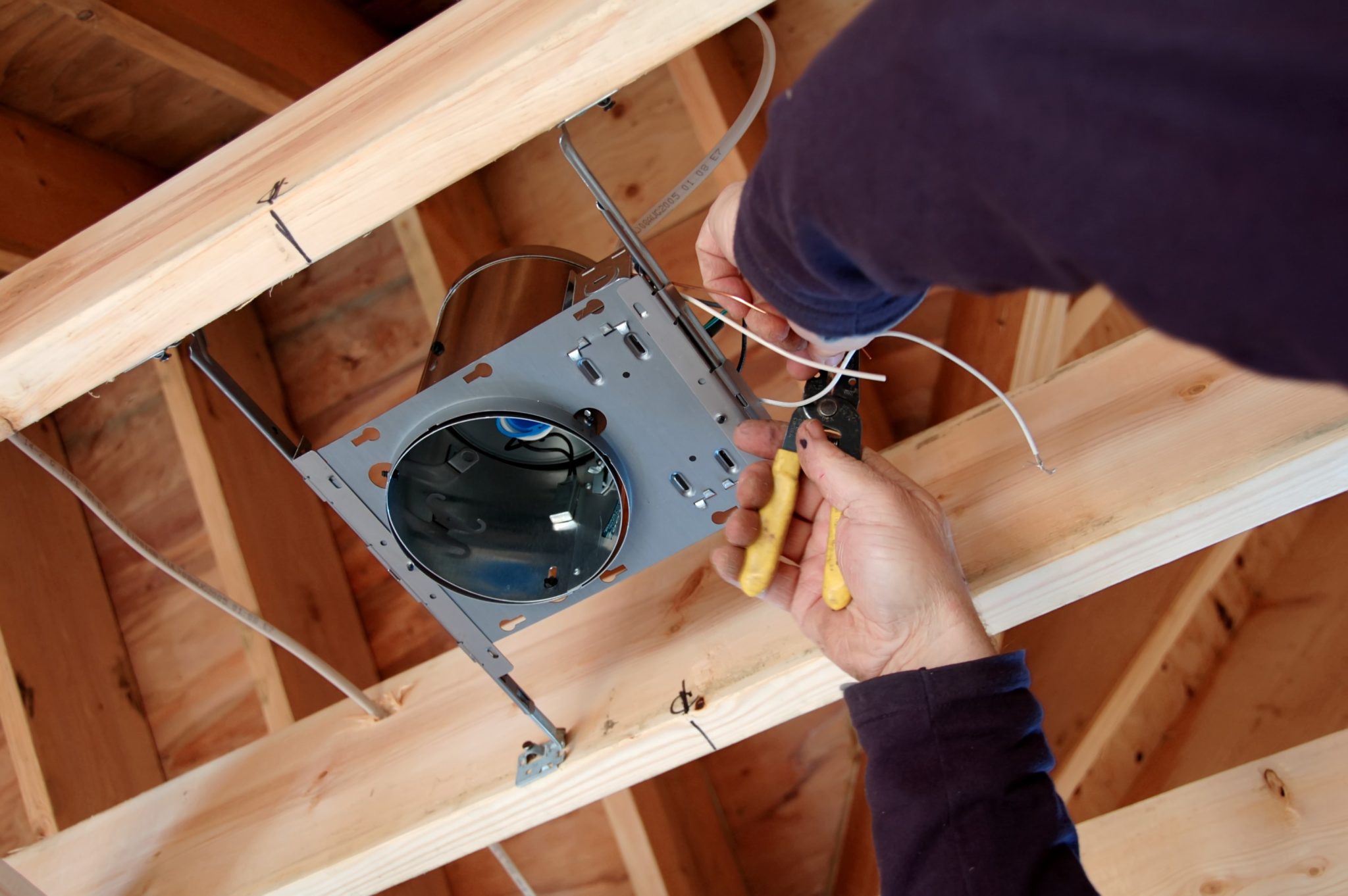
Our licensed electricians remove the old electrical panel, then install a new, upgraded electric panel to increase your home’s electrical capacity and safety. The upgraded electric panel supports modern electric demands, such as solar panels, heat pumps, and electric vehicles. We also label all circuits clearly.
Step 4: Grounding & Surge Protection
We inspect grounding systems and recommend whole-home surge protection where appropriate.
Step 5: Inspection & Code Compliance
We complete required inspections and confirm compliance with the Massachusetts electrical code before final sign-off.
Step 6: Ongoing Support
We stand behind our work and remain available for future upgrades, EV installations, or additional circuits.
This structured approach reflects our commitment to doing the job right the first time, without shortcuts.
Future-Proofing Your Massachusetts Home
Electrical panel upgrades are no longer just about fixing problems. They’re about preparing for:
- EV charger installation
- Smart panels and home automation
- Battery storage backup
- Induction cooking
- Whole-home electrification
Upgrading to a smart panel can significantly improve energy efficiency and help create an energy-efficient home. Smart panels can monitor energy consumption, help reduce energy usage by preventing appliances from drawing more power than needed, and facilitate integration of renewable energy sources and battery storage. The smart electrical panel market is predicted to grow at an annual rate of 6% over the next decade.
DMH Electric launched its dedicated Electrification Division in 2022 to support homeowners transitioning to cleaner, smarter energy systems. With decades of residential experience dating back to 1991, we combine craftsmanship with forward-thinking design.
Why Homeowners Across Central Massachusetts Call DMH Electric
Homeowners want reliability. They want electricians who call back, show up on time, communicate clearly, and respect their homes.
That’s how we’ve built our reputation since 1991.
Our licensed, background-checked electricians arrive prepared, follow through, and deliver work that passes inspection. From minor repairs to full electrical panel upgrades in Massachusetts, we approach every home with professionalism and long-term thinking.
Explore our full range of Residential Electrical Services.
Don’t Wait for a Failure
Electrical panels rarely fail without warning, but waiting until they do can mean power loss, costly emergency repairs, or safety hazards.
If your home is showing signs of strain, or you’re planning major electrical upgrades, schedule a professional evaluation.
Get Modern power and trusted service. Book your electrical panel assessment with DMH Electric Inc. today and protect your home for the next 30 years.